Introduction
Choosing the right dental instruments is a critical decision for dental clinics, distributors, and wholesalers. High-quality instruments not only affect treatment accuracy and efficiency but also play a key role in patient safety and long-term operational costs. With numerous suppliers on the global market, understanding how to evaluate dental instruments has become increasingly important.
This guide provides a practical overview of how to select reliable dental instruments from a professional manufacturer’s perspective.
1. Understand the Application and Clinical Needs
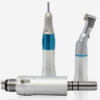
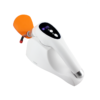
Different dental procedures require different instruments. High-speed handpieces, low-speed handpieces, root canal files, curing lights, and sandblasting units each serve distinct purposes.
Before purchasing, clinics and distributors should clearly identify:
- Treatment frequency and procedure types
- Required torque, speed, and precision
- Compatibility with existing dental units
Selecting instruments without considering real clinical needs often results in inefficiency or unnecessary replacement costs.
2. Material Quality and Manufacturing Standards
Reliable dental instruments are produced using medical-grade materials, such as stainless steel, titanium alloys, or certified polymers.
Key factors to consider:
- Corrosion resistance
- Heat resistance for sterilization
- Durability under continuous use
Professional manufacturers use advanced CNC machining, precision assembly, and strict quality inspection to ensure consistency across batches.
3. Performance and Stability
Stable performance is more important than peak performance. For example:
- High-speed handpieces should operate smoothly with minimal vibration
- Root canal files should maintain cutting efficiency without deformation
- Light curing units should deliver consistent light intensity
Inconsistent performance leads to treatment interruptions and higher maintenance costs.
4. Compliance and Quality Control
Reputable manufacturers follow standardized quality management systems and conduct multiple testing procedures before shipment. Even if products are not sold directly to regulated markets, compliance-oriented production reflects a manufacturer’s professionalism.
Important checkpoints include:
- Incoming material inspection
- In-process quality control
- Final functional testing
5. After-Sales Support and Technical Service
Dental instruments are precision tools that require proper maintenance. Reliable suppliers provide:
- Clear usage instructions
- Maintenance guidance
- Timely technical support
Strong after-sales service builds long-term trust between suppliers and buyers.
Conclusion
Selecting reliable dental instruments is not just about price—it is about safety, efficiency, and long-term value. By choosing experienced manufacturers with strong R&D capabilities, strict quality control, and global export experience, clinics and distributors can ensure stable supply and consistent performance.